 Wholesale only
Prefilled Pod Kits: What US Shops Should Stock
A UK running-cost ranking of prefilled pod kits tells US retailers which formats are worth shelf space and which are not.
Read the guide
Please verify that you are 21 years of age or older.
This site sells nicotine products at wholesale to verified US businesses only. Applicable tobacco or vapor licensing and business verification are required before ordering.
You must be at least 21 years of age to enter this website. Please come back once you are.
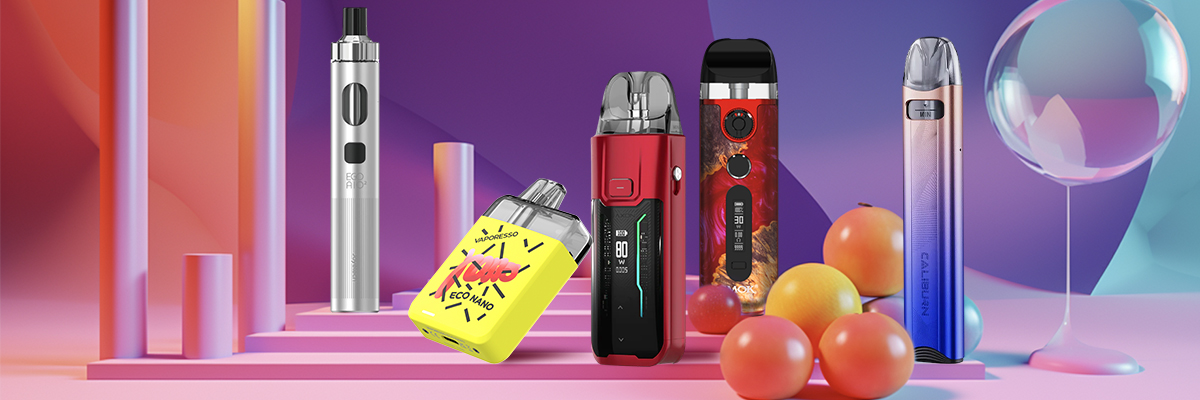
Hayati prefilled pod kits are a small but durable part of the UK-origin pod category. They are not disposables, and they are not open pod systems. They sit in between: a rechargeable device that takes a sealed, prefilled pod. For a US retailer, that distinction matters more than the puff counts on the box.
A prefilled pod kit is a rechargeable battery plus a pod that arrives already filled with e-liquid. You do not fill it. You do not prime a coil. You snap the pod in and draw. When the pod is spent, you replace it.
That is different from a disposable, which is one sealed unit you throw away entirely. It is also different from an open pod system, where the customer buys empty pods and bottles of e-liquid separately.
The Hayati range includes models like the Pro Max Plus 6K and the Pro Ultra Plus 25K. The 6K uses an 850 mAh battery, a mesh coil, a 2 mL prefilled pod at 20 mg/mL nicotine, and is rated for roughly 6,000 puffs. The 25K adds a dual-tank system, a second 10 mL auto-refill container, a smart LED screen, and USB-C charging. Both are TPD-compliant, which is why the prefilled pod is capped at 2 mL.
That 2 mL cap is the single most important thing to understand about this category. It is a UK regulatory limit, not a design choice. It means the customer is buying a device that needs pods replaced regularly — and that is where your margin lives.
Most US retailers we talk to are heavy on disposables. That makes sense: the disposable shelf runs from under 10,000 puffs to 150,000+, and the 50,000–80,000 band carries the most depth right now. Disposables are simple to sell and simple to explain.
Prefilled pod kits are a different sale. They ask the customer to commit to a device and then come back for pods. That is a harder first conversation but a better second one. A customer who buys a kit and a spare pod pack is a repeat buyer. A customer who buys a disposable is a maybe.
If you already stock pod systems and kits, prefilled kits fit naturally next to them. If your shelf is all disposables, this is a low-risk way to test whether your customers want a rechargeable option without asking them to learn how to fill a tank.
One caution: do not treat prefilled pod kits as a disposable substitute in your buying plan. They sell to a different customer — someone who is tired of throwing away a battery every few days, or someone who wants a device that feels more permanent. That customer is not the same person buying a 50K puff disposable on impulse.
Pod availability is the whole game. A kit with no replacement pods on your shelf is a dead SKU. Before you commit to a device, confirm you can get the pods in the same flavour range, and confirm the pod SKU is not being phased out.
Check the nicotine strength. The Hayati prefilled pods in the brief are 20 mg/mL, which is a salt nicotine strength. That is on the higher end for a US customer used to 35 mg or 50 mg salts, but it is not unusual. If your customers are used to 5% disposables, 20 mg/mL will feel light to some of them. Say so at the counter rather than letting them find out.
Check the charging. USB-C is standard now, but confirm the kit uses it. A device that needs a micro-USB cable in 2025 is a support call waiting to happen.
Check the box contents. Some kits ship with the device, a prefilled pod, and refill containers. Some ship with just the device and pod. If you are selling a kit as a starter package, know what is actually in the box so you can tell the customer whether they need to buy anything else on the way out.
For replacement pods and accessories, the coils, pods and accessories category is where you should be checking compatibility before you order.
Prefilled pod kits do not sell themselves the way a bright disposable box does. They need a short explanation. Train whoever is on the counter to say three things: it is rechargeable, the pod is already filled, and you stock the replacement pods.
That third point is the close. If the customer knows they can get pods from you, the kit becomes a lower-risk purchase than a disposable they have to hunt for online.
Keep the pods near the kits. Do not put the device on one wall and the pods behind the counter. If a customer has to ask for pods, you have added friction to the one thing that makes this category worth stocking.
On pricing, prefilled pod kits usually carry a higher ticket than a single disposable but a lower margin percentage. The pod refills are where you make the money back over time. If you are building a disposable order, consider adding a small prefilled pod test buy alongside it rather than making it a separate freight decision.
If you are not yet set up to buy at wholesale, start with applying for a wholesale account and confirm your licensing is in order before you plan the order.
Prefilled pod kits are not a volume play for most US shops. They are a retention play. A small, focused buy — one or two device SKUs, the matching pods in your best-selling flavours, and a clear counter explanation — is enough to find out whether your customers want them.
Do not overbuy the devices. Overbuy the pods. The device is the hook; the pod is the business.